Strategic Yacht Acquisition 2026
Yatco's 2026 Global Yacht Market Landscape reveals a fundamental shift from emotional to strategic yacht purchasing, with buyers prioritizing operational efficiency, sustainability, and long-term value over luxury features.
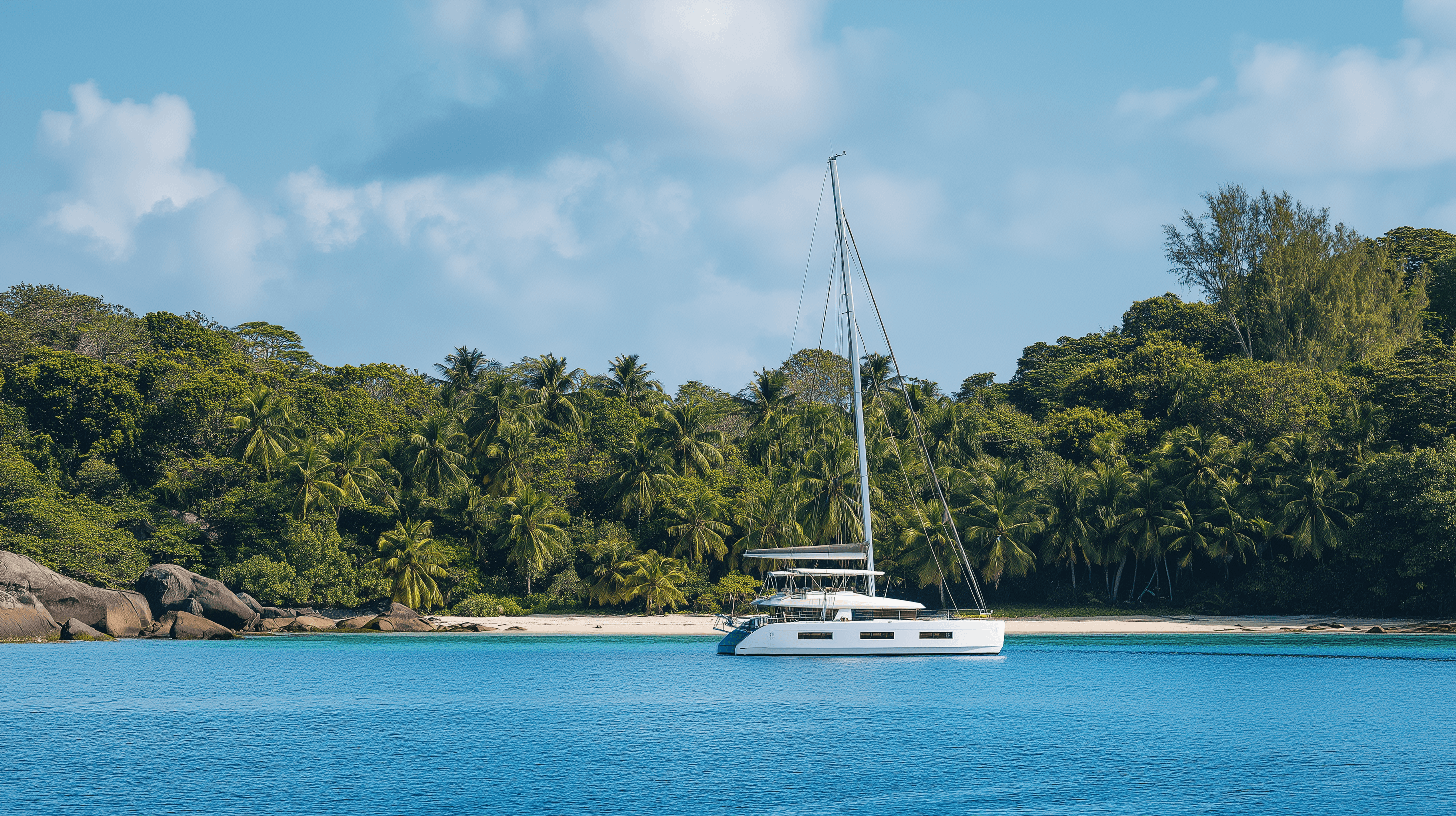
Strategic Yacht Acquisition 2026
The post-pandemic yacht buying frenzy is over. According to Yatco's 2026 Global Yacht Market Landscape report, buyers have shifted from emotional impulse purchases to methodical evaluation processes. They're demanding operational data, fuel consumption analysis, and financial projections—treating yachts as capital investments, not lifestyle purchases. Shipyard order books remain full through 2028-2029, but the nature of buyer engagement has fundamentally changed. This shift has profound implications for yacht values, shipyard strategies, and investment returns.
Market Stabilization and Strategic Mindset
The transition reflects a maturing market. While shipyard order books stretch into 2028-2029, buyers now evaluate total cost of ownership, operational complexity, and resale value—not just acquisition price.
Superyacht buyers are driving this change. Transactions involving tens or hundreds of millions require multi-year commitments, and buyers demand comprehensive operational data, fuel consumption analysis, crew requirements, and maintenance schedules. They want financial projections demonstrating long-term value preservation.
Family offices and investment funds are applying institutional-grade due diligence to yacht transactions, evaluating vessels with the same rigor as real estate or private equity. They understand yacht values aren't immune to market forces, operational inefficiencies, or technological obsolescence.
The pre-owned market reflects this shift. Buyers are selective about vessel condition, maintenance history, and upgrade potential. Vessels requiring significant refits or lacking modern systems face longer marketing periods and steeper discounts. Well-maintained yachts with recent technology upgrades and energy-efficient systems command premium valuations.
Even buyers in the 50-100 foot range, traditionally lifestyle-focused, are applying analytical frameworks. They evaluate fuel efficiency, maintenance costs, and resale value with greater sophistication. This aligns with broader trends in yacht investment strategies emphasizing total cost of ownership.
Operational Efficiency as Priority
Operational efficiency has become the dominant priority. Fuel costs, crew expenses, and maintenance represent the largest ownership costs after acquisition, and buyers are sophisticated about modeling these expenses.
Fuel consumption is critical. Strategic buyers analyze efficiency not just for cost management, but operational flexibility. Superior fuel efficiency extends cruising ranges, enables access to remote destinations, and maintains schedules when fuel costs spike. This is particularly valuable for charter operations, where efficiency directly impacts profitability.
Hybrid propulsion systems combining diesel engines with electric motors and battery storage offer significant advantages. These systems allow zero-emission operation for extended periods, reducing fuel consumption and environmental impact while providing quiet operation. Strategic buyers recognize these systems deliver long-term value through reduced operating costs and enhanced resale appeal as regulations tighten. The adoption of these eco-friendly yachting innovations represents a convergence of environmental responsibility and operational efficiency.
Crew costs are evaluated beyond headcount. Strategic buyers assess skill requirements, training needs, and retention challenges. Vessels designed for operational efficiency can reduce crew requirements through automation and integrated systems, reducing both labor costs and management complexity.
Maintenance costs are analyzed through a total cost of ownership lens. Buyers request detailed maintenance histories, evaluate previous refits, and assess major systems including engines, generators, and navigation equipment. They understand deferred maintenance creates future liabilities that erode vessel value.
Charter operations require sophisticated financial modeling. Buyers who plan to offset ownership costs through charter revenue must ensure vessels operate profitably after accounting for fuel, crew, maintenance, insurance, and management fees. This requires projecting revenue potential against operational costs under various scenarios.
Shipyards are responding. Hull designs optimized for fuel efficiency, energy management systems reducing power consumption, and automation minimizing crew requirements are becoming standard rather than optional features.
Sustainability and Future-Proofing
Sustainability has evolved from niche concern to central consideration, driven by regulatory requirements and buyer values. Strategic buyers recognize vessels with superior environmental performance maintain value better as regulations tighten.
Hybrid propulsion is the most visible manifestation, but the focus extends beyond. Energy-efficient systems including LED lighting, advanced HVAC, and smart power management reduce environmental impact and operating costs. Water treatment and waste management systems minimizing environmental impact while enhancing operational autonomy are increasingly standard. These yacht technology trends are reshaping vessel design as shipyards respond to buyer priorities.
Sustainable materials are gaining traction. Recycled materials, sustainably sourced woods, and low-impact finishes are incorporated not as compromises, but enhancements reflecting buyer values and future market trends.
The connection between sustainability and resale value is clear. As environmental regulations tighten globally, vessels exceeding current requirements maintain value better than those merely meeting minimum standards. Strategic buyers invest in systems positioning vessels ahead of regulatory curves, recognizing these investments pay dividends when regulations catch up.
Wellness and adventure features represent another dimension of future-proofing. Vessels supporting remote itineraries, extended cruising, and self-sufficient operation appeal to buyers seeking authentic experiences while reducing environmental impact. These capabilities become valuable as destinations implement restrictions or impose environmental fees.
Technology integration is critical. Strategic buyers prioritize vessels with modern communication systems, navigation equipment, and automation that can be upgraded as technology evolves. They avoid proprietary or obsolete systems, favoring open architectures ensuring long-term supportability.
Investment Implications
The shift toward strategic acquisition has profound implications for yacht investment evaluation and ownership structure. Buyers approaching acquisition with strategic frameworks can enhance both lifestyle enjoyment and financial outcomes.
Vessel selection becomes critical. Buyers must balance acquisition cost against operational efficiency, maintenance requirements, and resale potential. Vessels with superior operational characteristics may command premium prices, but these can be justified by reduced operating costs and enhanced resale value.
The emphasis on operational efficiency creates opportunities for buyers identifying vessels with underappreciated efficiency characteristics or upgrade potential. Vessels retrofitted with hybrid propulsion or energy-efficient systems may offer attractive risk-adjusted returns when upgrade costs are weighed against operating savings and value appreciation.
Sustainability investments must be evaluated through rigorous return-on-investment frameworks. Hybrid propulsion systems, energy-efficient features, and sustainable materials involve higher initial costs that must be justified by operating savings, regulatory compliance value, and resale premium.
Charter operations provide a mechanism for offsetting ownership costs, but require alignment between vessel characteristics and charter market demand. Vessels optimized for efficiency and sustainability may command premium charter rates from environmentally conscious guests, but must also deliver luxury experiences charter markets expect.
The strategic acquisition trend creates opportunities for buyers identifying vessels meeting emerging preferences before these are fully reflected in market prices. Vessels with superior operational efficiency, sustainability features, and wellness capabilities may appreciate as buyer priorities shift.
Family offices are structuring yacht ownership through frameworks optimizing both lifestyle and financial outcomes. They use vessels for family enjoyment while maintaining investment-grade standards, chartering to offset costs, and positioning for eventual sale when priorities change.
The connection between strategic acquisition and investment returns is clear. Vessels acquired with frameworks prioritizing operational efficiency, sustainability, and future-proofing demonstrate superior value retention and resale performance. Understanding these dynamics is essential for investors evaluating luxury yacht market opportunities.
For investors considering yacht ownership, the strategic acquisition trend offers both opportunity and requirement. The opportunity: acquiring vessels aligning with emerging preferences at prices not yet reflecting these preferences. The requirement: successful yacht investment demands analytical rigor, operational discipline, and strategic thinking matching other alternative asset classes.
References
[1] Yatco. (2025, December 11). Exploring the 2026 Global Yacht Market Landscape. Retrieved from
https://www.yatco.com/2026-global-yacht-market-landscape/
[2] Boat International. (2025, December 11). State of play: Where to invest in collectibles now. Retrieved from
https://www.boatinternational.com/luxury-yacht-life/lifestyle/investing-in-collectibles-2025-watches-art-cars-wine
Interested in yacht investments?
The shift toward strategic yacht acquisition represents a fundamental evolution in how high-net-worth individuals and institutional investors approach maritime assets. Buyers embracing operational efficiency, sustainability, and future-proofing can enhance both lifestyle enjoyment and investment returns, but success requires sophisticated analysis and disciplined execution. For those considering yacht ownership or investment, understanding these strategic priorities is essential for making informed decisions aligning with personal values and financial objectives.